Early Warning Signs That May Require Hip Preservation Surgery | Expert Guide
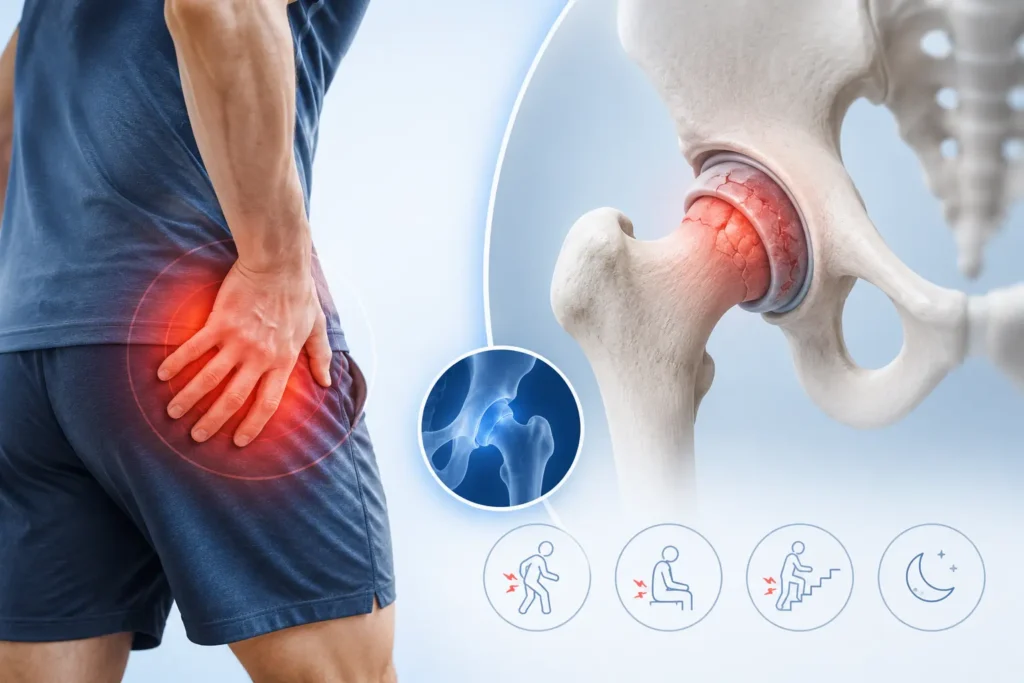
Hip pain is often dismissed as a muscle strain, aging, or overexertion after physical activity. While occasional discomfort may not be a cause for concern, persistent or recurring hip pain could be an early sign of an underlying joint condition that requires medical attention. For many patients, Hip Preservation Surgery offers an opportunity to treat hip problems before irreversible joint damage occurs. The key is recognizing the warning signs early and seeking timely evaluation from an experienced orthopaedic specialist. If you are experiencing ongoing hip pain, stiffness, or limited mobility, understanding these early symptoms can help protect your natural hip joint and potentially delay or avoid hip replacement surgery. What Is Hip Preservation Surgery? Hip Preservation Surgery refers to a group of specialized procedures designed to treat hip disorders while preserving the patient’s natural joint. Instead of replacing the hip, these procedures address the root cause of pain and joint dysfunction. Depending on the diagnosis, Hip Preservation Surgery may include: The primary objective is to relieve pain, restore normal hip function, and slow or prevent the progression of arthritis. Why Early Diagnosis Is So Important Many hip conditions begin with subtle symptoms that gradually worsen over time. Ignoring these signs can allow cartilage damage, bone deterioration, or joint instability to progress, making treatment more complex. Early diagnosis offers several advantages: The sooner the underlying problem is identified, the more treatment options are typically available. Early Warning Signs That May Indicate You Need Hip Preservation Surgery Not every hip pain requires surgery. However, persistent symptoms should never be ignored. 1. Persistent Groin Pain Groin pain is one of the earliest and most common symptoms of hip joint disorders. You may notice discomfort: Pain deep inside the groin often originates from the hip joint rather than surrounding muscles. 2. Hip Pain During Daily Activities Pain that interferes with routine activities is a warning sign that should be evaluated. You may experience discomfort while: If these activities consistently trigger pain, it may indicate an underlying structural problem. 3. Stiffness in the Hip Joint Hip stiffness is often an early symptom of joint damage. Patients frequently report difficulty: Persistent stiffness may suggest cartilage damage or hip impingement. 4. Clicking, Locking, or Catching Sensation A clicking or locking sensation inside the hip should never be ignored. These symptoms may indicate: Mechanical symptoms often require further investigation through imaging studies. 5. Reduced Range of Motion If your hip feels less flexible than before, it may be an early indication of structural abnormalities. Common signs include: Loss of motion often develops gradually and may go unnoticed until daily activities become difficult. 6. Pain After Physical Activity Temporary soreness after exercise is normal. However, pain that: may indicate an underlying hip condition rather than simple muscle fatigue. 7. Limping Without an Obvious Injury An unexplained limp is often the body’s way of reducing pressure on a painful joint. If limping persists for several days or weeks, it should be evaluated by an orthopaedic specialist. 8. Pain While Sitting for Long Periods Patients with hip impingement or labral injuries often notice increased discomfort after prolonged sitting. This is especially common among: Persistent sitting-related pain deserves medical evaluation. 9. Night-Time Hip Pain Hip pain that disturbs sleep or causes discomfort while lying on one side may indicate progressive joint disease. Pain at night often suggests inflammation or worsening structural damage. 10. Reduced Performance in Sports Athletes may notice: These symptoms should not be ignored, particularly in younger individuals who wish to remain active. Conditions That May Require Hip Preservation Surgery Several orthopaedic conditions can benefit from early intervention. Femoroacetabular Impingement (FAI) FAI occurs when abnormal bone growth causes the femoral head and hip socket to rub against each other. Without treatment, repeated friction can damage cartilage and increase the risk of arthritis. Hip Labral Tears The labrum is a ring of cartilage that stabilizes the hip joint. Labral injuries commonly cause: Hip Dysplasia Hip dysplasia occurs when the hip socket does not adequately cover the femoral head. Over time, this can lead to joint instability, cartilage damage, and early arthritis. Avascular Necrosis (AVN) Early-stage AVN can often be treated using hip-preserving procedures such as core decompression before bone collapse occurs. Early Cartilage Damage Minor cartilage injuries are easier to treat before significant arthritis develops. Who Is Most Likely to Need Hip Preservation Surgery? Hip Preservation Surgery is often recommended for patients who still have a healthy joint but are experiencing structural problems. You may be a suitable candidate if you are: Each patient requires an individualized assessment before treatment recommendations are made. How Is the Diagnosis Made? Your orthopaedic surgeon will perform a comprehensive evaluation that may include: Medical History Your symptoms, activity level, previous injuries, and overall health are carefully reviewed. Physical Examination Specialized tests assess hip movement, stability, strength, and pain patterns. Imaging Studies Diagnostic imaging may include: These investigations help determine the exact cause of hip pain and whether Hip Preservation Surgery is appropriate. Treatment Before Surgery Not every patient requires surgery immediately. Depending on the diagnosis, initial treatment may include: If symptoms persist despite conservative treatment, Hip Preservation Surgery may provide the best long-term solution. Why Choosing an Experienced Hip Preservation Specialist Matters Successful Hip Preservation Surgery depends on accurate diagnosis, careful surgical planning, and personalized rehabilitation. Dr. Vinayak Ghanate is a highly experienced orthopaedic surgeon in Baner, Pune, specializing in hip preservation, joint replacement, complex trauma surgery, and bone infection management. With advanced international training, including the Fellowship of the Royal College of Surgeons of Edinburgh (FRCS Orthopaedics), he combines modern surgical techniques with evidence-based treatment protocols to help patients preserve their natural joints whenever possible. His patient-centered approach focuses on early diagnosis, minimally invasive procedures where appropriate, and comprehensive rehabilitation to achieve long-term mobility and improved quality of life. Frequently Asked Questions Can hip pain go away without surgery? Yes. Many patients improve with physiotherapy, medications, and activity modification. However, persistent or worsening symptoms should be evaluated by a specialist. At what age