AVN (Avascular Necrosis)

Can AVN Be Treated Without Surgery
AVN (Avascular Necrosis)

Can AVN Be Treated Without Surgery? Non-Surgical Treatment Options Explained

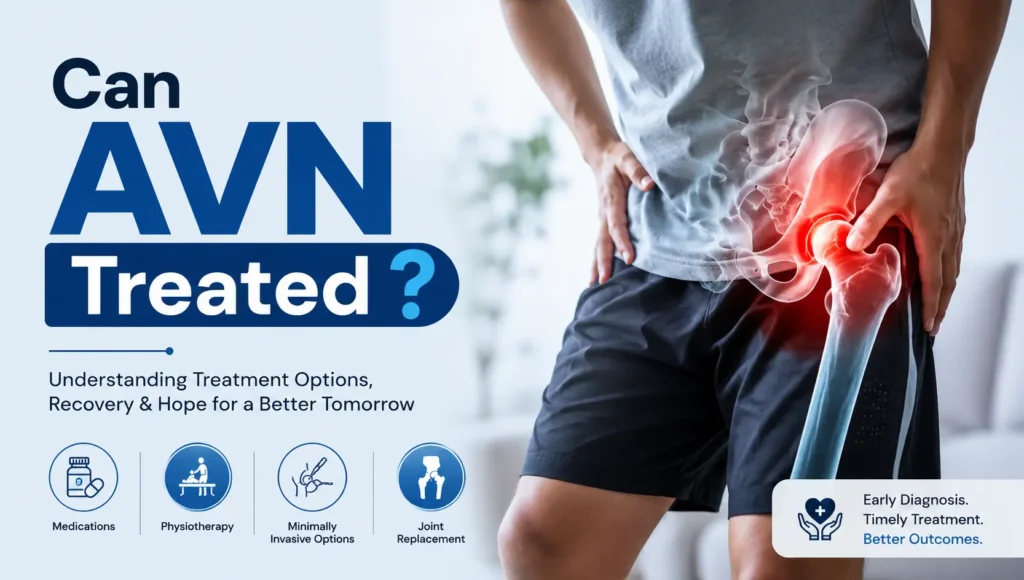
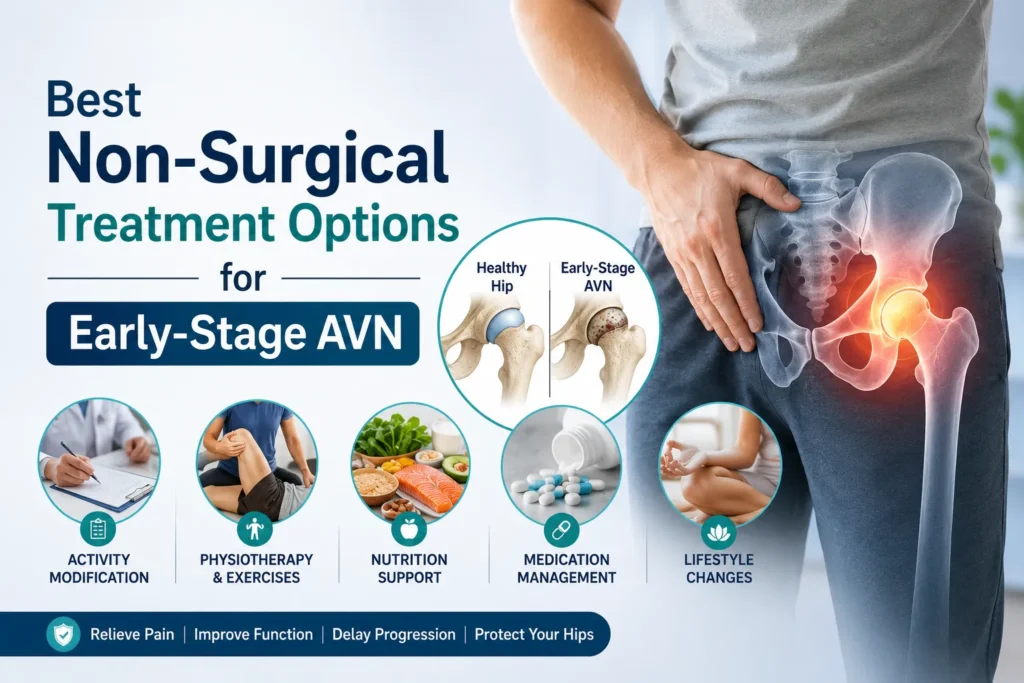
Being diagnosed with Avascular Necrosis (AVN) can be overwhelming. One of the first questions many patients ask is: “Can AVN be treated without surgery?” The answer is yes but only in certain cases. Non-surgical treatments can help manage symptoms, slow disease progression, and improve quality of life, especially when AVN is diagnosed in its earliest stages. However, because AVN involves the loss of blood supply to bone tissue, conservative treatment alone may not always stop the condition from progressing. Understanding when non-surgical treatment is appropriate and when surgery becomes necessary is essential for making informed decisions about your long-term joint health. In this guide, we’ll explore the available non-surgical treatment options for AVN, their effectiveness, and what patients should realistically expect from them. Quick Answer AVN can sometimes be managed without surgery during its early stages. Non-surgical treatment focuses on reducing pain, protecting the affected joint, improving mobility, and slowing disease progression. Common non-surgical treatments include: However, if AVN continues to progress or bone collapse occurs, surgical intervention may become necessary. Understanding AVN: Why Early Treatment Matters Avascular Necrosis occurs when blood flow to a bone is disrupted. Without adequate blood supply: The hip is the most commonly affected joint, although AVN can also occur in the shoulder, knee, and ankle. The earlier AVN is diagnosed, the greater the opportunity to preserve the natural joint and avoid major surgery. When Can AVN Be Treated Without Surgery? Non-surgical treatment is usually considered when: The Disease Is in an Early Stage Patients diagnosed before significant bone damage occurs often have more treatment options. There Is No Bone Collapse If imaging shows that the bone structure remains intact, conservative management may be appropriate. Symptoms Are Mild Patients experiencing manageable pain and minimal functional limitations may benefit from non-surgical approaches. The Affected Area Is Small Smaller lesions generally respond better to conservative treatment than extensive areas of bone damage. Non-Surgical Treatment Options for AVN Activity Modification Reducing activities that place excessive stress on the affected joint can help slow disease progression. Your doctor may recommend avoiding: This helps reduce pressure on the weakened bone. Weight-Bearing Restrictions In some cases, patients are advised to temporarily reduce weight-bearing on the affected limb. This may involve: Reducing joint stress may help preserve bone structure during early-stage disease. Pain Management Medications Pain control is often an important part of treatment. Doctors may recommend: These treatments help improve comfort but do not reverse AVN. Physical Therapy A structured rehabilitation program can help maintain: Physical therapy also helps patients remain active while minimizing stress on the affected joint. Lifestyle Modifications Certain lifestyle changes can help reduce factors associated with AVN progression. These include: Limiting Alcohol Consumption Excessive alcohol use is a recognized risk factor for AVN. Managing Steroid Use Long-term corticosteroid use is one of the leading causes of AVN. Patients should discuss alternatives with their physician whenever medically appropriate. Maintaining a Healthy Weight Excess body weight increases stress on weight-bearing joints such as the hip and knee. Treating Underlying Medical Conditions Certain conditions contribute to AVN development, including: Addressing these conditions may help improve overall treatment outcomes. What Non-Surgical Treatment Cannot Do One of the most important facts patients should understand is that conservative treatment has limitations. Non-surgical treatment generally cannot: Its primary role is to slow progression, manage symptoms, and preserve function for as long as possible. How Effective Is Non-Surgical Treatment? The effectiveness of conservative treatment depends on several factors: Stage of AVN Early-stage AVN responds more favorably than advanced disease. Size of the Lesion Smaller affected areas generally have better outcomes. Patient Age Younger patients often experience better healing potential. Underlying Cause Addressing the root cause of AVN can improve treatment success. For some patients, non-surgical treatment may provide symptom control for years. For others, disease progression may continue despite conservative management. Signs That Surgery May Be Needed While many patients hope to avoid surgery, there are situations where surgical treatment offers the best chance of preserving joint function. Warning signs include: At this stage, delaying intervention may result in further joint damage. Surgical Options When Non-Surgical Treatment Is Not Enough Depending on disease severity, treatment options may include: Core Decompression Often recommended for early-stage AVN before collapse occurs. The procedure helps: Bone Grafting Procedures Bone grafts may be used to support weakened areas and promote regeneration. Hip Preservation Surgery For selected patients, joint-preserving procedures can help maintain natural hip function. Total Hip Replacement When significant collapse or arthritis develops, hip replacement may provide the most reliable long-term solution. The Importance of Early Diagnosis One of the biggest challenges with AVN is that symptoms often appear after bone damage has already begun. Patients experiencing: should seek prompt evaluation. MRI scans can detect AVN before it appears on standard X-rays, allowing treatment to begin earlier when outcomes are typically better. Expert Insight from Dr. Vinayak Ghanate Dr. Vinayak Ghanate is an experienced orthopaedic surgeon in Baner, Pune, with advanced expertise in hip preservation surgery, joint replacement, complex trauma reconstruction, and bone infection management. Having completed advanced orthopaedic training, including a Fellowship from the Royal College of Surgeons of Edinburgh (FRCS Orthopaedics), Dr. Ghanate focuses on evidence-based treatment plans tailored to each patient’s condition and stage of disease. For patients diagnosed with AVN, timely evaluation is critical. Early-stage disease may be managed through conservative measures or joint-preserving procedures, while advanced stages often require more definitive surgical intervention. Frequently Asked Questions Can AVN heal naturally without treatment? No. AVN generally does not heal on its own because the underlying issue involves loss of blood supply to the bone. Can exercise cure AVN? Exercise cannot cure AVN, but appropriate physical therapy can help maintain strength, flexibility, and joint function. Is surgery always required for AVN? Not always. Early-stage AVN may be managed conservatively, but some patients eventually require surgery if the disease progresses. What is the best treatment for early-stage AVN? Treatment depends on the size and location of the lesion, symptoms, and overall patient health. Early-stage AVN often

Hip Preservation Surgery
AVN (Avascular Necrosis)

What Is Hip Preservation Surgery and Who Needs It? Expert Guide

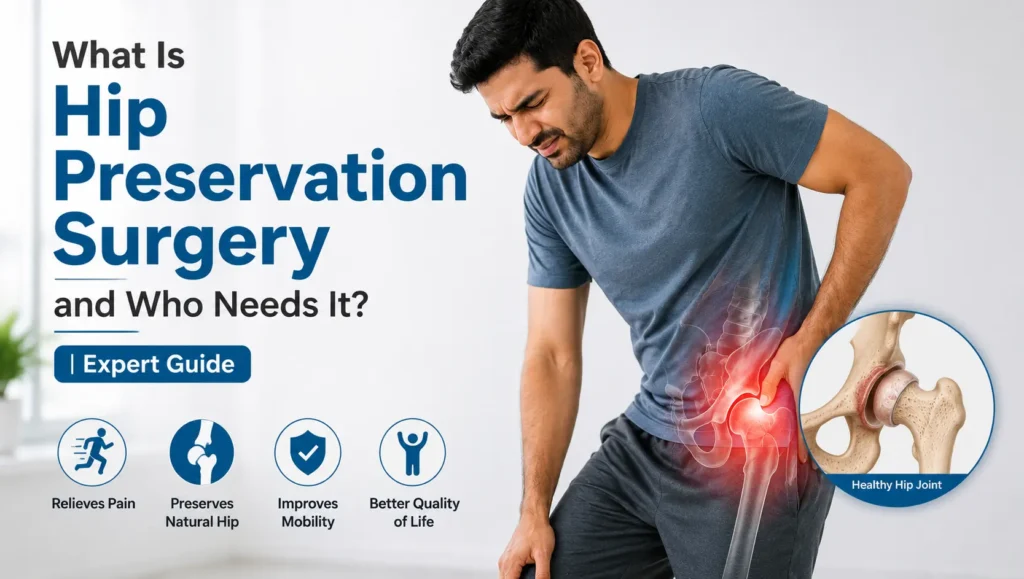
Hip pain is often associated with aging, arthritis, or injuries. However, many younger and middle-aged adults experience hip pain due to underlying structural problems that, if left untreated, can eventually lead to joint damage and the need for hip replacement surgery. This is where Hip Preservation Surgery plays a crucial role. Rather than replacing the hip joint, hip preservation procedures focus on correcting the root cause of hip pain while preserving the patient’s natural joint. For many individuals, early intervention can reduce pain, restore mobility, and delay or even prevent the need for a total hip replacement. In this guide, we’ll explain what hip preservation surgery is, who may benefit from it, the conditions it treats, and why early diagnosis can significantly improve long-term outcomes. Quick Answer: What Is Hip Preservation Surgery? Hip preservation surgery refers to a group of specialized surgical procedures designed to protect and preserve the natural hip joint before irreversible damage occurs. The goal is to: Unlike total hip replacement, hip preservation focuses on saving the patient’s own joint whenever possible. Why Hip Preservation Matters The hip joint is one of the most important weight-bearing joints in the body. Every step, movement, and physical activity depends on healthy hip function. When structural abnormalities or diseases affect the hip, they can gradually damage the cartilage and bone, leading to: Treating these issues early often helps patients maintain an active lifestyle and avoid more extensive surgeries later. Who Needs Hip Preservation Surgery? Hip preservation surgery is typically recommended for patients who have hip pain caused by structural abnormalities but whose joint has not yet reached the stage of severe arthritis. Ideal Candidates Include: Young Adults with Hip Pain Many patients in their 20s, 30s, and 40s develop hip problems due to anatomical abnormalities rather than age-related degeneration. Athletes and Active Individuals Sports involving repetitive hip movement can place excessive stress on the joint, increasing the risk of damage over time. Patients with Early Hip Joint Disease Individuals diagnosed with early cartilage damage or bone disorders may benefit from preserving the natural joint before significant deterioration occurs. Patients with Avascular Necrosis (AVN) When diagnosed early, hip-preserving procedures such as core decompression can help restore blood flow and prevent joint collapse. Individuals with Hip Impingement Patients experiencing pain due to abnormal contact between the hip bones often benefit from corrective procedures before permanent damage develops. Common Conditions Treated with Hip Preservation Surgery Several orthopaedic conditions can be effectively managed using hip preservation techniques. Femoroacetabular Impingement (FAI) FAI occurs when extra bone develops around the hip joint, causing abnormal friction during movement. Common symptoms include: Without treatment, FAI can increase the risk of early arthritis. Hip Dysplasia Hip dysplasia occurs when the hip socket does not adequately cover the femoral head. This instability can cause: Avascular Necrosis (AVN) AVN develops when blood supply to the femoral head is disrupted, leading to bone death and eventual collapse if untreated. Early-stage AVN can often be managed using hip-preserving procedures. Labral Tears The hip labrum is a ring of cartilage that helps stabilize the joint. Damage to this structure can cause: Early Osteoarthritis Some patients with mild arthritis may benefit from corrective procedures that address the underlying mechanical cause of joint degeneration. Types of Hip Preservation Procedures Treatment depends on the specific diagnosis and severity of the condition. Hip Arthroscopy A minimally invasive procedure used to treat: Small instruments and a camera are inserted through tiny incisions, resulting in less tissue damage and faster recovery. Core Decompression Often used for early-stage AVN, this procedure reduces pressure inside the bone and improves blood circulation. Osteotomy Procedures These surgeries reposition bones around the hip to improve alignment and reduce abnormal stress on the joint. Cartilage Restoration Procedures Certain techniques aim to repair or regenerate damaged cartilage before arthritis develops. Benefits of Hip Preservation Surgery One of the primary advantages of hip preservation surgery is that it addresses the root cause of hip problems rather than simply treating symptoms. Preserves the Natural Joint Patients retain their own hip joint rather than receiving an artificial implant. Delays Hip Replacement Many patients can postpone hip replacement surgery for years or even decades. Improved Mobility Correcting structural abnormalities helps restore smoother joint movement. Reduced Pain Most patients experience significant relief once the underlying problem is addressed. Better Long-Term Joint Health Early treatment helps minimize ongoing cartilage damage. Signs You Should See a Hip Specialist Many people ignore hip pain until it becomes severe. Consider an orthopaedic evaluation if you experience: Early diagnosis often creates more treatment options and better outcomes. What Happens During Evaluation? A comprehensive assessment usually includes: Medical History Your surgeon will review symptoms, activity levels, previous injuries, and overall health. Physical Examination Specific tests help identify hip instability, impingement, or restricted movement. Advanced Imaging Imaging may include: These tests help determine the exact cause of pain and whether hip preservation surgery is appropriate. Recovery After Hip Preservation Surgery Recovery varies depending on the procedure performed. Early Recovery Most patients begin walking with support shortly after surgery. Physical Therapy A customized rehabilitation program helps: Return to Activities Many patients gradually return to work, exercise, and sports activities over the following months. Following rehabilitation guidelines is essential for achieving the best possible outcome. Can Hip Preservation Surgery Prevent Hip Replacement? In many cases, yes. When hip conditions are diagnosed and treated before significant arthritis develops, hip preservation procedures can slow disease progression and help patients maintain healthy joint function for years. However, outcomes depend on: The earlier treatment begins, the greater the likelihood of preserving the natural joint. Expert Perspective from Dr. Vinayak Ghanate Dr. Vinayak Ghanate is a highly experienced orthopaedic surgeon in Baner, Pune, with advanced training in hip preservation, joint replacement, complex trauma reconstruction, and bone infection management. His academic achievements include a Fellowship from the Royal College of Surgeons of Edinburgh (FRCS Orthopaedics), along with specialized exposure at leading healthcare institutions in the United Kingdom. With over 15 years of experience and more than

Core Decompression for AVN
AVN (Avascular Necrosis)

What Is Core Decompression for AVN and When Is It Recommended?

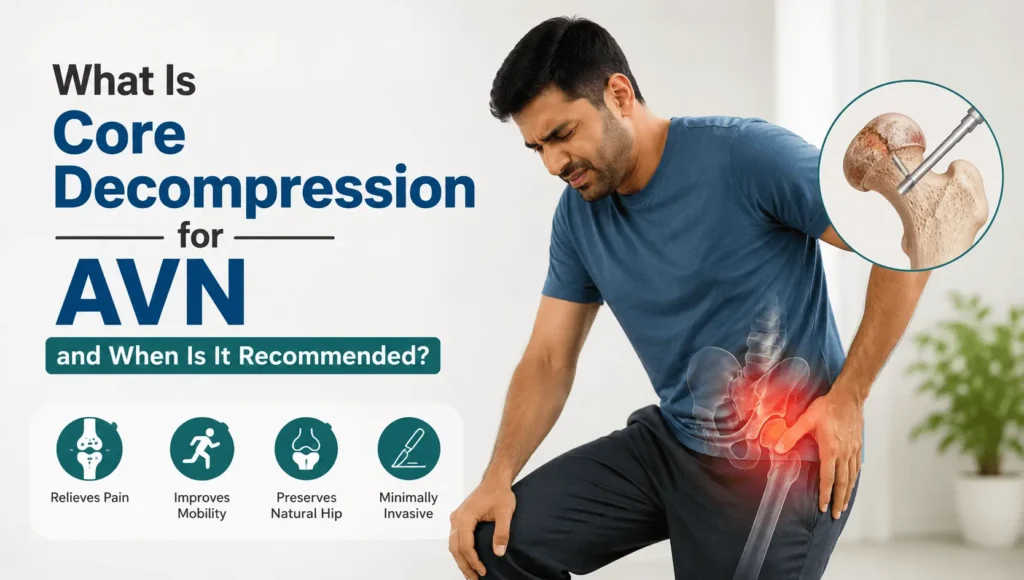
Hip pain that starts as mild discomfort and gradually worsens can sometimes indicate a serious underlying condition known as Avascular Necrosis (AVN). Left untreated, AVN can lead to the collapse of the hip joint, significantly affecting mobility and quality of life. Fortunately, when diagnosed early, there are joint-preserving treatment options available. One of the most effective procedures for early-stage AVN is Core Decompression Surgery. In this guide, we’ll explain what core decompression is, how it works, who is an ideal candidate, and when doctors recommend it to prevent further damage to the hip joint. Quick Answer: What Is Core Decompression for AVN? Core decompression is a surgical procedure used to treat Avascular Necrosis (AVN) before the hip bone collapses. During the procedure, a surgeon removes a small portion of bone from the affected area to reduce pressure, improve blood circulation, and stimulate the growth of healthy bone tissue. The primary goal is to preserve the natural hip joint and delay or prevent the need for total hip replacement. Understanding AVN (Avascular Necrosis) AVN, also known as osteonecrosis, occurs when the blood supply to a bone is reduced or completely interrupted. Without adequate blood flow, bone tissue begins to die, leading to weakening and eventual collapse. The condition most commonly affects the hip joint, particularly the femoral head. Common Causes of AVN In some cases, the exact cause remains unknown. Signs and Symptoms of AVN Early-stage AVN may not cause noticeable symptoms. As the condition progresses, patients may experience: Early diagnosis is critical because joint-preserving procedures like core decompression are most effective before bone collapse occurs. What Happens During Core Decompression Surgery? Core decompression is typically performed under spinal or general anesthesia. During the procedure: The procedure generally requires only a small incision and is considered minimally invasive compared to joint replacement surgery. How Does Core Decompression Help AVN Patients? The procedure works by addressing the root cause of AVN: poor blood supply. Benefits include: Improved Blood Circulation Creating channels within the bone encourages the formation of new blood vessels, improving oxygen and nutrient delivery. Reduced Bone Pressure AVN often increases pressure within the bone. Decompression relieves this pressure, reducing pain. Preservation of the Natural Hip Joint Unlike hip replacement surgery, core decompression allows patients to retain their original joint. Delayed Disease Progression When performed early, the procedure can slow or stop the progression of AVN. When Is Core Decompression Recommended? Core decompression is usually recommended during the early stages of AVN, before significant structural damage has occurred. Ideal Candidates Include Patients Who: It May Not Be Recommended If: In such cases, hip replacement surgery may provide better long-term outcomes. Why MRI Is Important Before Core Decompression X-rays may appear normal during the early stages of AVN. MRI scans help doctors: Early MRI diagnosis often makes the difference between preserving the hip joint and requiring a hip replacement later. Success Rate of Core Decompression Research and clinical experience show that core decompression can be highly successful when performed during early-stage AVN. Success rates vary depending on: Patients treated before bone collapse generally experience significantly better outcomes than those treated at advanced stages. Recovery After Core Decompression Surgery Recovery timelines vary from patient to patient, but most individuals can expect: First Few Days First 6–8 Weeks 3–6 Months Complete bone healing can continue for several months after surgery. Core Decompression vs Hip Replacement For younger patients diagnosed early, core decompression is often the preferred first-line surgical treatment. Feature Core Decompression Total Hip Replacement Purpose Preserve natural joint Replace damaged joint Best for Early-stage AVN Advanced AVN Bone Removal Minimal Extensive Recovery Generally faster Longer recovery Joint Preservation Yes No Age Preference Younger patients Older or advanced-stage patients Can Core Decompression Prevent Hip Replacement? In many cases, yes. When AVN is detected early and treated promptly, core decompression may delay or completely eliminate the need for hip replacement surgery. However, outcomes depend on: This is why consulting an experienced hip preservation specialist is essential. Expert Insight from Dr. Vinayak Ghanate Dr. Vinayak Ghanate is a highly experienced orthopaedic surgeon specializing in hip preservation, complex trauma care, joint replacement surgery, and bone infection management. With advanced training from prestigious institutions including the Royal College of Surgeons of Edinburgh and clinical exposure at leading hospitals in the United Kingdom, Dr. Ghanate focuses on evidence-based treatment strategies that prioritize joint preservation whenever possible. For patients diagnosed with early-stage AVN, timely evaluation and appropriate intervention can significantly improve long-term outcomes and help preserve the natural hip joint. Frequently Asked Questions Is core decompression a major surgery? No. It is considered a minimally invasive procedure and usually involves a small incision and shorter hospital stay compared to hip replacement. How painful is core decompression recovery? Most patients experience manageable discomfort that improves over the first few weeks with medication and physical therapy. What is the best stage for core decompression? Stage 1 and Stage 2 AVN are generally considered the most suitable stages for successful outcomes. Can AVN return after core decompression? While the procedure can slow or stop disease progression, ongoing monitoring is important because outcomes vary depending on individual factors. How long does the surgery take? The procedure typically takes between one and two hours, depending on the complexity of the case. Final Thoughts Core decompression is one of the most effective joint-preserving treatments available for early-stage Avascular Necrosis. By reducing pressure within the bone and restoring blood flow, it offers patients an opportunity to save their natural hip joint and avoid more invasive procedures in the future. The key to successful treatment is early diagnosis. If you are experiencing persistent hip pain or have been diagnosed with AVN, consulting a hip preservation specialist at the earliest stage can make a significant difference in your long-term mobility and quality of life.

What Are the Early Symptoms of AVN
AVN (Avascular Necrosis)

What Are the Early Symptoms of AVN (Avascular Necrosis)?

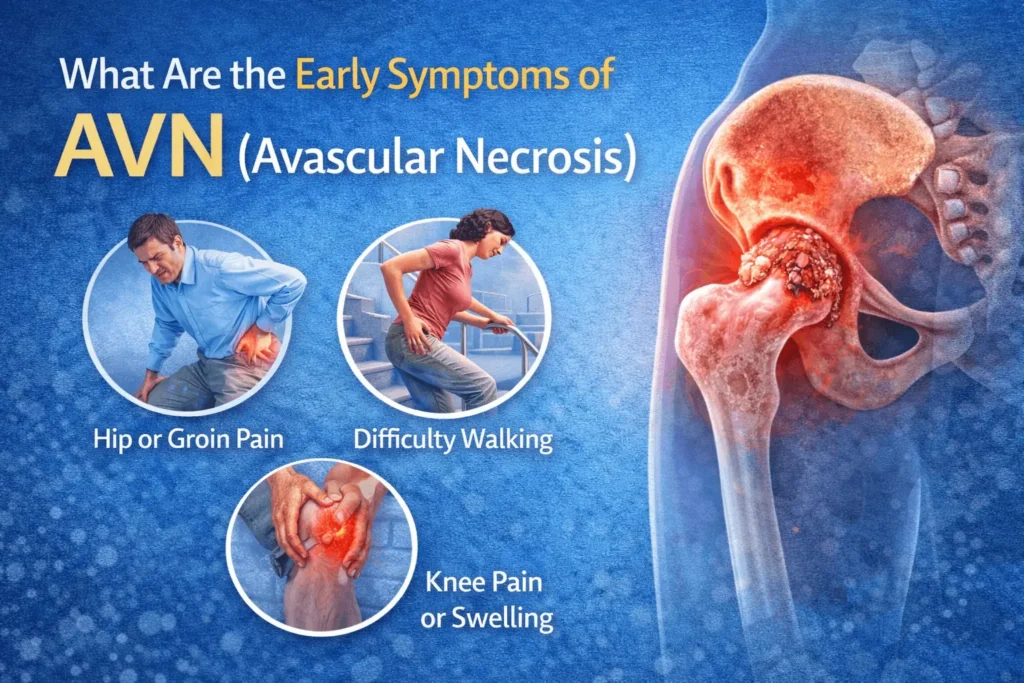
Avascular Necrosis (AVN), also known as osteonecrosis, is a serious bone condition that develops when the blood supply to a bone is reduced or completely blocked. Without adequate blood flow, bone tissue begins to die, leading to pain, joint damage, and eventually arthritis if left untreated. Early diagnosis of AVN is critical. When detected in the initial stages, treatment can slow progression and help preserve the natural joint. This article explains the early symptoms of AVN, risk factors, and when you should consult an orthopaedic specialist. What Is Avascular Necrosis (AVN)? AVN occurs when blood flow to a bone is interrupted due to injury, medical conditions, or medication-related causes. Over time, the affected bone weakens, collapses, and damages the joint surface. AVN most commonly affects: Hip joint (femoral head) Knee Shoulder Ankle Among these, hip AVN is the most common and often the most disabling. Early Symptoms of AVN (Stage 1 & Stage 2) In the early stages, AVN can be silent or produce mild symptoms that are often ignored. Recognizing these early warning signs can make a significant difference in treatment outcomes. 1. Mild Joint Pain During Activity Dull or aching pain while walking, climbing stairs, or standing for long periods Pain often improves with rest initially Commonly felt in the groin, thigh, or buttock (hip AVN) 2. Pain Without Any Major Injury Pain develops gradually without a clear fall or trauma Often mistaken for muscle strain or early arthritis 3. Reduced Range of Motion Stiffness in the joint Difficulty bending, rotating, or fully moving the affected joint Early limitation is subtle but progressive 4. Pain That Worsens Over Time Pain increases in frequency and intensity Starts occurring even with minimal activity May eventually appear at rest or during sleep 5. Limping or Altered Walking Pattern Unconscious limping to avoid pain Increased pressure on the opposite leg Often noticed by family members before the patient realizes it 6. Deep, Persistent Groin Pain (Hip AVN) A key early sign of hip AVN Pain may radiate to the knee, confusing the diagnosis Why Early AVN Symptoms Are Often Missed Early AVN symptoms are frequently overlooked because: X-rays may appear normal in early stages Pain is mild and intermittent Symptoms mimic arthritis, sciatica, or muscle pain MRI is the most reliable test for detecting AVN early, even before structural damage occurs. Common Risk Factors for AVN You may be at higher risk of AVN if you have: Long-term or high-dose steroid use Excessive alcohol consumption Previous hip injury or fracture Sickle cell disease or blood disorders Autoimmune conditions (e.g., lupus) Organ transplant history However, AVN can also occur without any identifiable cause (idiopathic AVN). When Should You See an Orthopaedic Doctor? Consult an orthopaedic specialist if you experience: Persistent joint pain for more than 2–3 weeks Groin pain without injury Pain that worsens despite rest and medication Difficulty walking or joint stiffness Early evaluation can prevent joint collapse and delay or avoid joint replacement surgery. Expert Medical Insight Dr. Vinayak Ghanate, a Fellow of the Royal College of Surgeons of Edinburgh (UK) and a certified specialist in hip and knee reconstruction. Dr. Ghanate has extensive experience in: Hip and knee replacement (primary, revision, and robotic) Trauma and sports injury management Complex fracture reconstruction Bone and joint infection surgeries He has trained in the UK and India, completed advanced fellowships in joint replacement, and is an AO Trauma Association member and ATLS-certified provider. His clinical approach emphasizes early diagnosis, joint preservation, and evidence-based surgical care. Frequently Asked Questions (FAQs) Can AVN be cured if detected early? Yes, in early stage before the damage sets in, with appropriate treatment AVN can be reversed. In late stages also with appropriate treatment the progression can be slowed and natural joint can be preserved. Is AVN pain sudden or gradual? In most cases, AVN pain develops gradually and worsens over time. Can AVN occur without pain? Sometimes early AVN pain can be minimal and not noticeable at all apart from a dull ach occasionally. MRI screening can detect AVN in their early stage. Is AVN the same as arthritis? No. AVN causes bone death due to lack of blood supply, while arthritis involves cartilage wear. Which test is best for early AVN detection? MRI is the gold standard for early diagnosis.

Copyright © 2025 All rights reserved. Developed by Cheersdigitalmarketing.com
Scroll to Top