Replacement

Hip Pain While Walking Causes and Best Treatment Options
Replacement

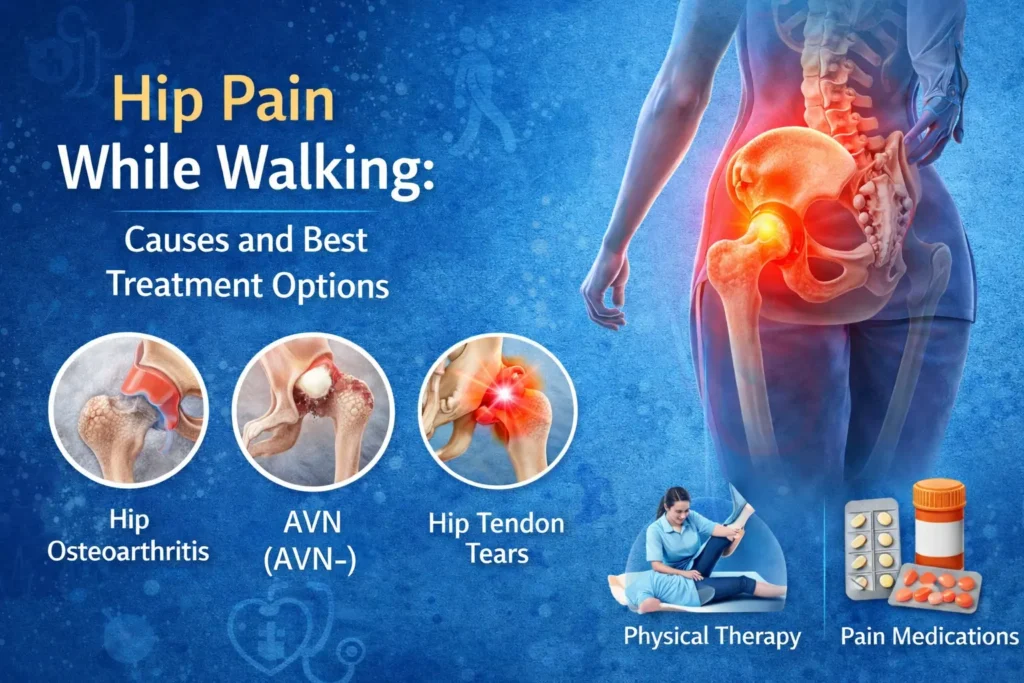
Hip Pain While Walking: Causes and Best Treatment Options

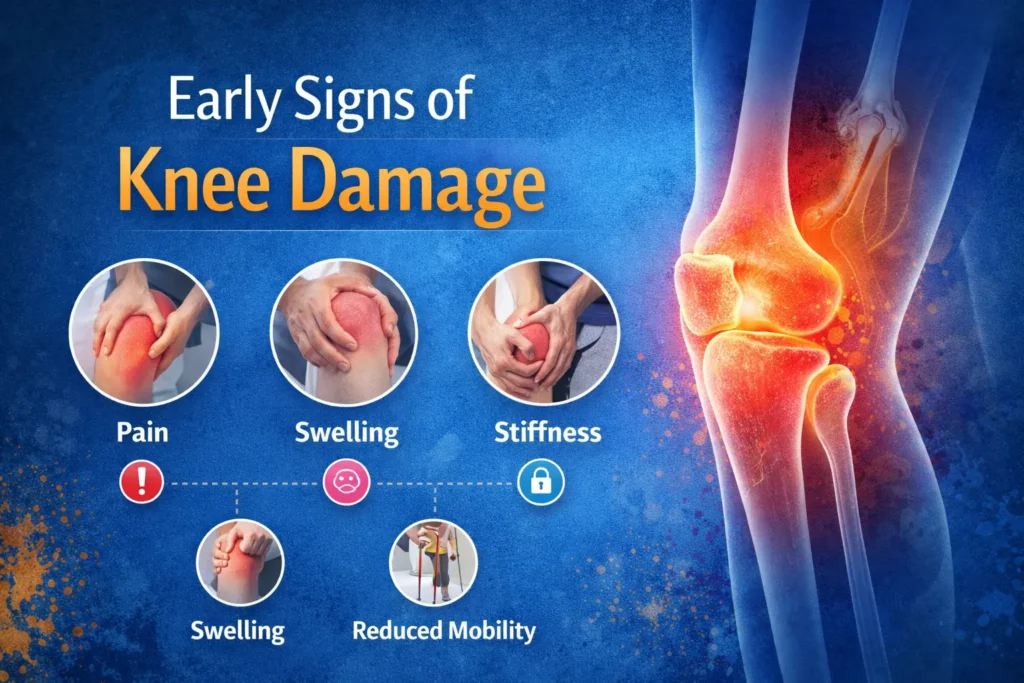
Knee pain is often ignored as a temporary problem caused by age, overuse, or a long day at work. However, persistent knee discomfort can be an early warning sign of knee damage. Ignoring these signals may lead to long-term joint issues, reduced mobility, or even surgery. As an experienced orthopedic specialist in Baner, Pune, Dr Vinayak Ghanate regularly treats patients who delayed care, only to face advanced knee conditions later. This blog will help you recognize the early signs of knee damage you should never ignore, so you can seek timely treatment and protect your joint health. Why Early Detection of Knee Damage Matters Your knee is a complex joint made up of bones, cartilage, ligaments, and muscles. Even minor damage, if untreated, can worsen over time. Early diagnosis can: Prevent permanent joint damage Reduce the need for surgery Improve recovery outcomes Help you maintain an active lifestyle Many knee conditions respond well to non-surgical orthopedic care when detected early. 1. Persistent Knee Pain That Doesn’t Go Away Occasional knee pain after physical activity is normal. However, pain that lasts for weeks or keeps returning is not. You should be concerned if: Pain increases while walking or climbing stairs Pain occurs even at rest Pain worsens at night This may indicate cartilage wear, ligament strain, early arthritis, or internal knee injury. 2. Swelling or Stiffness Around the Knee Swelling is your body’s response to inflammation or injury. Mild swelling that goes away quickly is common, but frequent or persistent swelling is a red flag. Early knee damage may cause: Morning stiffness Tightness after sitting for long periods Reduced knee flexibility Stiffness can be an early sign of osteoarthritis or internal joint damage. 3. Clicking, Popping, or Grinding Sounds Hearing sounds while bending or straightening your knee should not be ignored especially if accompanied by pain. Possible causes include: Cartilage damage Meniscus tear Early joint degeneration A grinding sensation may indicate loss of protective cartilage, leading to bone-on-bone friction. 4. Difficulty Climbing Stairs or Standing Up If everyday movements such as climbing stairs, standing from a chair, or squatting become painful, your knee joint may not be functioning properly. This often points to: Weak joint support Cartilage breakdown Early-stage arthritis Functional difficulty is one of the most common reasons patients seek orthopedic care in Pune. 5. Knee Instability or Buckling Does your knee feel like it might “give way”? Knee instability is a serious warning sign. This may occur due to: Ligament injury (ACL, PCL, MCL) Meniscus damage Muscle imbalance around the knee Ignoring instability can increase the risk of falls and further joint damage. 6. Reduced Range of Motion You should be able to bend and straighten your knee smoothly. Difficulty moving the knee fully suggests internal joint issues. Limited movement may be caused by: Swelling inside the joint Scar tissue Cartilage loss Early treatment can restore mobility and prevent stiffness from becoming permanent. 7. Pain After Long Walks or Physical Activity If knee pain consistently appears after walking, jogging, or exercising, it’s a sign your joint is under stress. This is common in: Early arthritis Overuse injuries Cartilage wear Rest alone is not enough. An orthopedic evaluation helps identify the root cause. 8. Warmth or Redness Around the Knee A knee that feels warm or looks red may indicate inflammation or infection. While less common, this symptom should be evaluated immediately, especially if combined with: Fever Severe pain Rapid swelling Prompt medical attention is essential in such cases.   When Should You See an Orthopedic Doctor in Baner, Pune? You should consult an orthopedic specialist if: Knee pain lasts more than 7–10 days Symptoms worsen over time Daily activities become difficult Swelling or instability keeps returning Early consultation can prevent minor issues from becoming major orthopedic problems. Expert Orthopedic Care by Dr Vinayak Ghanate in Baner, Pune Dr Vinayak Ghanate is a trusted orthopedic doctor in Baner, Pune, with expertise in: Knee pain diagnosis Knee arthroscopy Non-surgical knee treatments Knee replacement and joint preservation He follows evidence-based orthopedic practices, advanced diagnostic methods, and personalized treatment plans, ensuring safe and effective care for every patient. Can Early Knee Damage Be Treated Without Surgery? Yes. Many early-stage knee conditions can be managed with: Lifestyle modifications Physiotherapy Medications Joint injections Activity correction Surgery is considered only when conservative treatments fail. Final Thoughts Ignoring early signs of knee damage can lead to long-term pain, limited mobility, and surgical intervention. Listening to your body and seeking timely orthopedic advice can save your knees and your quality of life. If you’re experiencing any of the symptoms mentioned above, early diagnosis is the key to long-lasting relief.

Early-Signs-of-Knee-Damage-You-Should-Not-Ignore.
Replacement

Early Signs of Knee Damage | Orthopedic Doctor in Baner Pune

Knee pain is often ignored as a temporary problem caused by age, overuse, or a long day at work. However, persistent knee discomfort can be an early warning sign of knee damage. Ignoring these signals may lead to long-term joint issues, reduced mobility, or even surgery. As an experienced orthopedic specialist in Baner, Pune, Dr Vinayak Ghanate regularly treats patients who delayed care, only to face advanced knee conditions later. This blog will help you recognize the early signs of knee damage you should never ignore, so you can seek timely treatment and protect your joint health. Why Early Detection of Knee Damage Matters Your knee is a complex joint made up of bones, cartilage, ligaments, and muscles. Even minor damage, if untreated, can worsen over time. Early diagnosis can: Prevent permanent joint damage Reduce the need for surgery Improve recovery outcomes Help you maintain an active lifestyle Many knee conditions respond well to non-surgical orthopedic care when detected early. 1. Persistent Knee Pain That Doesn’t Go Away Occasional knee pain after physical activity is normal. However, pain that lasts for weeks or keeps returning is not. You should be concerned if: Pain increases while walking or climbing stairs Pain occurs even at rest Pain worsens at night This may indicate cartilage wear, ligament strain, early arthritis, or internal knee injury. 2. Swelling or Stiffness Around the Knee Swelling is your body’s response to inflammation or injury. Mild swelling that goes away quickly is common, but frequent or persistent swelling is a red flag. Early knee damage may cause: Morning stiffness Tightness after sitting for long periods Reduced knee flexibility Stiffness can be an early sign of osteoarthritis or internal joint damage. 3. Clicking, Popping, or Grinding Sounds Hearing sounds while bending or straightening your knee should not be ignored especially if accompanied by pain. Possible causes include: Cartilage damage Meniscus tear Early joint degeneration A grinding sensation may indicate loss of protective cartilage, leading to bone-on-bone friction. 4. Difficulty Climbing Stairs or Standing Up If everyday movements such as climbing stairs, standing from a chair, or squatting become painful, your knee joint may not be functioning properly. This often points to: Weak joint support Cartilage breakdown Early-stage arthritis Functional difficulty is one of the most common reasons patients seek orthopedic care in Pune. 5. Knee Instability or Buckling Does your knee feel like it might “give way”? Knee instability is a serious warning sign. This may occur due to: Ligament injury (ACL, PCL, MCL) Meniscus damage Muscle imbalance around the knee Ignoring instability can increase the risk of falls and further joint damage. 6. Reduced Range of Motion You should be able to bend and straighten your knee smoothly. Difficulty moving the knee fully suggests internal joint issues. Limited movement may be caused by: Swelling inside the joint Scar tissue Cartilage loss Early treatment can restore mobility and prevent stiffness from becoming permanent. 7. Pain After Long Walks or Physical Activity If knee pain consistently appears after walking, jogging, or exercising, it’s a sign your joint is under stress. This is common in: Early arthritis Overuse injuries Cartilage wear Rest alone is not enough. An orthopedic evaluation helps identify the root cause. 8. Warmth or Redness Around the Knee A knee that feels warm or looks red may indicate inflammation or infection. While less common, this symptom should be evaluated immediately, especially if combined with: Fever Severe pain Rapid swelling Prompt medical attention is essential in such cases.   When Should You See an Orthopedic Doctor in Baner, Pune? You should consult an orthopedic specialist if: Knee pain lasts more than 7–10 days Symptoms worsen over time Daily activities become difficult Swelling or instability keeps returning Early consultation can prevent minor issues from becoming major orthopedic problems. Expert Orthopedic Care by Dr Vinayak Ghanate in Baner, Pune Dr Vinayak Ghanate is a trusted orthopedic doctor in Baner, Pune, with expertise in: Knee pain diagnosis Knee arthroscopy Non-surgical knee treatments Knee replacement and joint preservation He follows evidence-based orthopedic practices, advanced diagnostic methods, and personalized treatment plans, ensuring safe and effective care for every patient. Can Early Knee Damage Be Treated Without Surgery? Yes. Many early-stage knee conditions can be managed with: Lifestyle modifications Physiotherapy Medications Joint injections Activity correction Surgery is considered only when conservative treatments fail. Final Thoughts Ignoring early signs of knee damage can lead to long-term pain, limited mobility, and surgical intervention. Listening to your body and seeking timely orthopedic advice can save your knees and your quality of life. If you’re experiencing any of the symptoms mentioned above, early diagnosis is the key to long-lasting relief.

Top-Signs-You-May-Need-a-Knee-Replacement
Replacement

Signs You Might Need a Knee Replacement in Pune

A knee replacement may be recommended if knee pain is having a big effect on your life and alternatives to a knee replacement have not worked. Most people who have a knee replacement have pain and movement problems caused by osteoarthritis (a condition that causes joints to become painful and stiff). Other conditions a knee replacement may be used to treat include gout and sports injuries, but this is not common. The knee usually moves smoothly because the ends of the bones are covered with a layer of tough tissue called cartilage. If the cartilage is worn away by osteoarthritis or damaged by an injury, the bones rub against each other, making your joint painful and stiff. During a knee replacement, the damaged parts of your knee are replaced with metal and plastic parts. Knee replacements are very successful and result in no pain in the knee and better movement. Persistent Knee Pain That Doesn’t Go Away One of the main signs a knee replacement is needed is severe and prolonged pain in the knee and the surrounding area. This pain can also be present elsewhere such as the hip or ankle, which impacts your daily life even when you are resting. The pain persists beyond a few days and keeps coming back as soon as the pain medications are stopped. Limited Mobility and Difficulty Performing Daily Activities This can make everyday chores and activities difficult. Bending the knee may be painful for some patients. Simple tasks like Getting up from Toilet seat, Climbing stairs requiring railing support, lack of confidence in going out alone or fear of losing balance on uneven ground. Chronic Swelling and Inflammation Swelling and inflammation around the knee is not responding to Ice packs, Medications. The swelling also appears in leg and ankle joints. Knee Stiffness, Especially in the Morning or After Rest Bending the knee becomes difficult, especially sitting cross legged is not possible or painful. Getting out of bed and taking the first few steps in the morning becomes challenging or takes time for the knee to loosen. Noticeable Changes in Knee Shape or Appearance The knees and legs are deformed and appear like Bow shaped deformity in the knee. Sometimes even the ankle and foot joints do appear deformed. Deformity or Bow shape becomes worse on standing. Reduced Effectiveness of Medications or Therapies Routine painkillers do not work very well and stronger medication is needed. Sometimes the injections in knee which were very effective for longer duration now loses its effect and knee stops responding to these medications. Difficulty Walking, Climbing Stairs, or Standing Feeling of losing confidence while walking on uneven grounds or on wet surfaces. Needing a support of railing while climbing stairs or needing a hand for getting up from sitting position. Grinding or Popping Sounds from the Knee Joint Knee feels like grinding inside with clicky noises. These noises sometimes are associated with increased pain as well. Sleep Disruption Due to Knee Discomfort Knee pain is many times localised in calf and thigh muscles. These muscles get temporary spasms at night or while resting walking up from sleep. The sleep disturbance starts occurring often especially after a busy day. Knee Pain That Affects Mental Health and Quality of Life Feeling tired and Depressed due to constant pain. Sometimes the pain gets out of control and emotional outbursts or frustration can happen. When to Consult an Orthopedic Specialist Not being able to carry out everyday chores and do the things you love can have a damaging effect on your mental wellbeing. If your quality of life is suffering due to persistent knee pain, it may be time to talk to a specialist. Reasons you may need knee surgery Knee replacement surgery is an effective operation and it is important to know the signs. Failure to do so could lead to a number of problems including: weakened muscles and ligaments of the knee deformity of the area outside the knee joint limited mobility due to chronic pain and loss of function continued degeneration of the knee joint reduced success rate of any future knee surgery. Conclusion Knee replacement is one of the most successful surgeries available for Knee arthritis. Its has a proven track record of more than 50 years. With the advancement the technology and surgical techniques the pain and recovery is now becoming much more easy. With pathways like enhanced recovery pathways the hospital stay has reduced significantly. The latest technology like robotics and navigation ensures accurate placement of implants and restoration of natural knee alignment. The implants are lasting longer and feel much more natural.  With early diagnosis and treatment arthritis can no longer halt your life. Timely intervention with an Expert Joint replacement specialist will restore your life back. Do not fear arthritis, it’s time to fight and get your life back.

Copyright © 2025 All rights reserved. Developed by Cheersdigitalmarketing.com
Scroll to Top